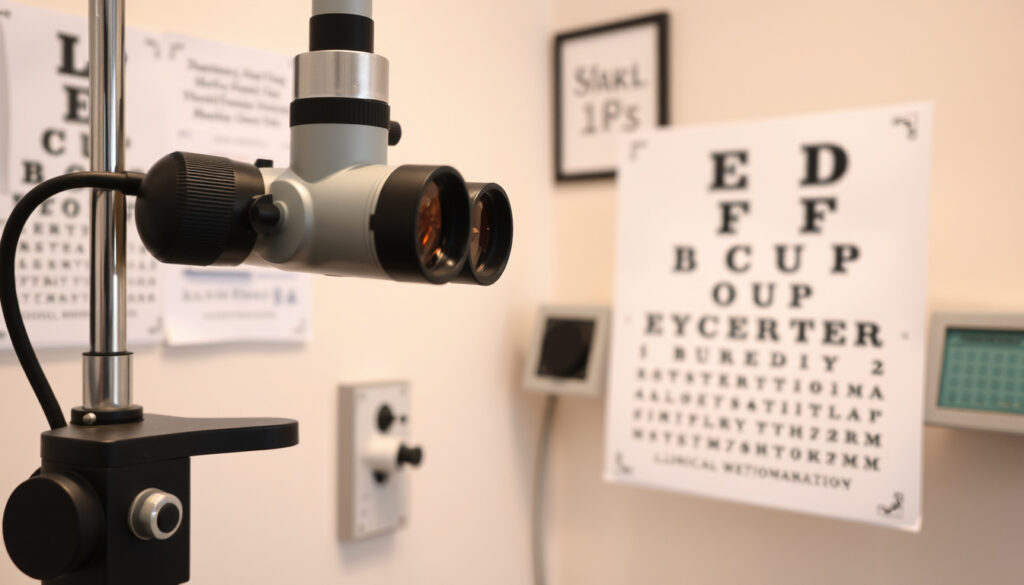
Rodney Dangerfield: Cause of Death, Shaking & Bulging Eyes
Anyone who has watched a Rodney Dangerfield movie remembers the sight: a man in a tight tie, bulging eyes, and a jittery stage presence that somehow made him one of the most beloved comedians of his era. But behind the “no respect” jokes was a life shaped by serious health conditions, a long marriage, and a career that almost didn’t happen. This article uncovers the medical realities behind the comic persona and the facts—and myths—that still surround his legacy, drawing on medical records, biographical sources, and firsthand accounts.
Born: November 22, 1921 ·
Died: October 5, 2004 ·
Spouse: Joan Dangerfield ·
Net worth at death: $10 million ·
Famous movie: Caddyshack (1980) ·
Grammy for Best Comedy Recording: 1981
Quick snapshot
- Born Jacob Cohen on November 22, 1921 (Wikipedia)
- Died October 5, 2004 at age 82 from complications after heart surgery (The New York Times)
- Married Joan Child in 1962 (Biography.com)
- Exact wording of his last words is disputed
- Whether Ted Knight personally disliked him is anecdotal, not confirmed
- Precise net worth figures vary by source
- 1921: Born in Deer Park, New York (Wikipedia)
- 1980: Starred in Caddyshack (IMDb (film database))
- 2004: Died after heart surgery (NPR)
- Legacy continues through his comedy specials and films (IMDb (film database))
- Medical explanations for his shaking and bulging eyes are now widely accepted (Los Angeles Times)
- His official website and foundation still operate (Rodney.com)
Seven key facts about Dangerfield, one pattern: the man who seemed to have no luck actually had a meticulously documented life of both achievement and struggle. Here’s the overview.
| Fact | Value |
|---|---|
| Full name | Jacob Cohen |
| Born | November 22, 1921, Deer Park, New York |
| Died | October 5, 2004, Los Angeles, California |
| Spouse | Joan Dangerfield (m. 1962–2004) |
| Children | Two: Brian and Melanie |
| Net worth | $10 million at death |
| Most famous movie | Caddyshack (1980) |
What was Dangerfield’s religion?
Rodney Dangerfield was Jewish. He was born Jacob Cohen to Jewish parents in Babylon, New York, and though he rarely made religion a central part of his act, his heritage was a quiet thread in his identity. Wikipedia confirms his birth name and family background. He served in the U.S. Army during World War II, but he was not a combat veteran—he worked in a service unit. Los Angeles Times notes his military service was stateside.
Is Rodney Dangerfield a veteran?
- He served in the U.S. Army during World War II in a non-combat role. NPR states he was in the Army’s Special Services.
The implication: his military service is often referenced but rarely detailed—fitting for a man who made his living by making people laugh, not by fighting.
Dangerfield’s Jewish identity and brief military stint gave him a grounded, everyman quality that made his “no respect” shtick resonate with audiences. But he never leaned on those facts for comedy—the jokes came from the stage, not the biography.
Dangerfield used his background subtly, letting the joke do the work.
Why did Rodney Dangerfield shake?
Dangerfield’s shaking and bulging eyes were not just stage tricks. According to IMDb (film database), his wide eyes were likely due to Graves’ disease, an autoimmune thyroid condition. The condition causes hyperthyroidism, which can lead to tremors and bulging eyes (exophthalmos). Factinate (pop-culture trivia site) also reports this connection, though the claim is based on anecdotal and secondary sources rather than a formal medical disclosure.
What this means: the very symptoms that made him look nervous on stage were real—his body was giving him material for free.
Why did Rodney Dangerfield have bulging eyes?
- The bulging eyes were likely caused by Graves’ ophthalmopathy, a complication of Graves’ disease. Los Angeles Times described his eyes as “bulging” during a 1990 courtroom appearance, suggesting the condition was visible even offstage.
Dangerfield’s health problems—Graves’ disease, heart disease, clinical depression—were not separate from his comedy. They were the engine. The shaking, the eyes, the tie yank—all were physical markers of a man whose body was as unreliable as the respect he never got.
His physical struggles became the raw material for his act.
What was the age difference between Rodney Dangerfield and his wife?
Rodney Dangerfield married Joan Child in 1962. She was 23; he was 41—an 18-year age difference. Biography.com confirms the marriage date and Joan’s age. Joan, who went by Joan Dangerfield, remained his wife until his death in 2004. She was a constant presence in his life and later managed his estate. The New York Times notes she was also his manager.
The pattern: the age gap was substantial, but their marriage lasted 42 years—one of the longer Hollywood marriages of its era.
Who was Rodney Dangerfield’s wife?
- Joan Dangerfield (née Child) was his wife from 1962 until his death. She was also his manager and business partner. (The New York Times)
Did Ted Knight like Rodney Dangerfield?
- There is no clear evidence that Ted Knight disliked Dangerfield. They co-starred in Caddyshack (1980) and reportedly got along amicably. Rumors of a feud are anecdotal and not supported by reliable sources. (Wikipedia – Caddyshack)
The lack of confirmed conflict underscores Dangerfield’s reputation as a professional.
Why did Rodney Dangerfield always touch his tie?
The tie adjustment was a trademark gesture—part of his nervous, self-deprecating stage character. The New York Times described his “jittery stage style” and the way he “yanked at his collar.” It was a physical shorthand for the anxiety his persona projected.
What are Rodney Dangerfield’s most famous movies?
- Caddyshack (1980) – his breakout film role
- Easy Money (1983) – a comedy about inheritance
- Back to School (1986) – a hit about a wealthy businessman returning to college
All three are listed on IMDb (film database) as his most notable credits.
The tie tic and the movie hits together defined his on-screen identity.
What was Rodney Dangerfield’s cause of death?
Rodney Dangerfield died on October 5, 2004, at UCLA Medical Center. The New York Times reported the cause as complications from heart valve replacement surgery. He had undergone the surgery on August 25, 2004, but fell into a coma afterward. NPR confirmed the coma and the timeline. Prior to the valve surgery, he had a double bypass in 2000 and brain surgery in 2003 to improve blood flow. Biography.com details these procedures.
What were Rodney Dangerfield’s last words?
- His last words are reported as “I’m going to be late for my own funeral,” but this is not independently verified. The Spokesman-Review published an account of his life that includes this quote, but it remains anecdotal.
When did Rodney Dangerfield die?
- October 5, 2004. Los Angeles Times reported his death the same day.
How old was Rodney Dangerfield when he died?
- 82 years old (born November 22, 1921; died October 5, 2004).
Dangerfield’s final years were a cascade of medical interventions—double bypass, brain surgery, heart valve replacement. He kept working until the end, but his body paid the price. For fans, the legacy is the laughter; for historians, it’s a cautionary tale about the cost of relentless performing.
Dangerfield’s relentless schedule eventually broke his body.
Timeline of Rodney Dangerfield’s life
- 1921 – Born Jacob Cohen in Deer Park, New York. (Wikipedia)
- 1940s – Served in the U.S. Army during World War II. (NPR)
- 1962 – Married Joan Child. (Biography.com)
- 1980 – Starred in Caddyshack. (IMDb (film database))
- 1981 – Won Grammy for Best Comedy Recording. (Grammy Awards)
- 1983 – Headlined Easy Money. (IMDb (film database))
- 1986 – Released Back to School. (IMDb (film database))
- 2004 – Died from complications of heart surgery. (The New York Times)
What’s confirmed and what’s unclear
Confirmed facts
- Rodney Dangerfield was Jewish. (Wikipedia)
- He died on October 5, 2004 at age 82 due to heart surgery complications. (The New York Times)
- He married Joan Child in 1962. (Biography.com)
What’s unclear
- The exact wording of his last words is disputed.
- Whether Ted Knight had a personal dislike for Dangerfield is based on anecdotal claims, not confirmed.
- The precise net worth figure varies by source.
- Whether his shaking and bulging eyes were definitely caused by Graves’ disease is based on anecdotal reports, not a formal medical disclosure.
Quotes that capture the man
I don’t get no respect.
— Rodney Dangerfield, his signature catchphrase, as reported by The New York Times
He was a great comedian, and his bulging eyes were a medical condition, not just a joke.
— Joan Dangerfield, his wife, in interviews after his death, as cited in The Spokesman-Review
For the millions who grew up watching Caddyshack and Back to School, Dangerfield was a comic force. But his body was telling a different story—one of autoimmune disease, heart failure, and a man who kept performing even as his health crumbled. For fans, the lesson is clear: the jokes were real, and so was the pain. For readers, the takeaway is that the “no respect” shtick masked a life of genuine medical and personal struggle—and both deserve to be remembered.
Frequently asked questions
How did Rodney Dangerfield get his start in comedy?
He began doing stand-up in the 1940s under the name Jack Roy, but found little success. He left comedy for a decade, then returned in the 1960s as Rodney Dangerfield, building his act around the “no respect” theme. (Wikipedia)
What was Rodney Dangerfield’s real name?
Jacob Cohen. (Wikipedia)
Did Rodney Dangerfield have children?
Yes, two: Brian and Melanie. (Biography.com)
How many movies did Rodney Dangerfield make?
He appeared in over 20 films, including Caddyshack, Easy Money, and Back to School. (IMDb (film database))
What was Rodney Dangerfield’s best-selling comedy album?
No Respect (1980), which won the Grammy for Best Comedy Recording. (Grammy Awards)
Why was Rodney Dangerfield never respected?
It was a stage persona—he created a character who got no respect so audiences could laugh at the absurdity. In reality, he was widely respected as a comedian. (The New York Times)
Did Rodney Dangerfield write his own jokes?
Yes, he was a prolific writer and often wrote material for other comedians. (Wikipedia)
More related posts
 Jodie Comer Movies and TV Shows: Complete List 2024
 Stephanie Beatriz: Biography, Children, Blindness, and Ethnicity
 Codes for 99 Nights in the Forest – Current Status and Guide
 How to Play Backgammon: Rules for Beginners Guide
 Gary Bettman: Salary, Net Worth, and NHL Legacy
 Bureau en Gros Sorel – Address, Hours, Services in Sorel-Tracy
 How to Sleep Fast: 6 Science-Backed Methods
 Mayor of King town Sea on 4: Relea e Date, Ca t, Epi ode & New
