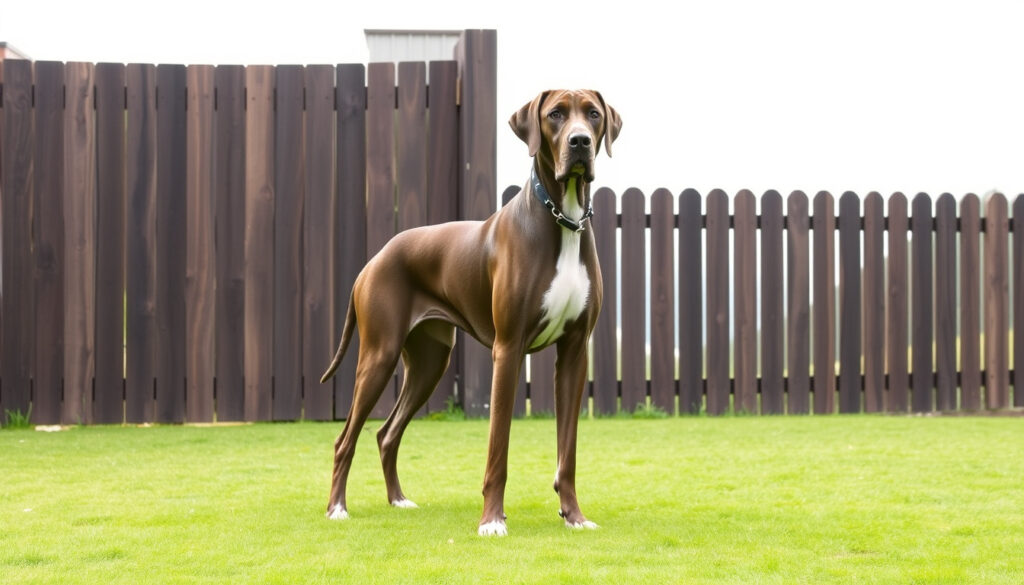
Great Dane Breed Guide: Temperament, Size, Lifespan, and More
Few sights warm a dog lover’s heart quite like a Great Dane bounding across a field with that unmistakable, lopsided grin. But behind the gentle giant’s placid expression lies one of the largest dog breeds on earth—and one of the most misunderstood. This guide separates fact from fiction, drawing on veterinarians, breed registries, and experienced owners to help you decide if a Great Dane is the right fit for your home.
Average Height (male): 30–34 inches at shoulder · Average Weight (male): 140–175 lbs · Typical Lifespan: 7–10 years · Temperament: Friendly, patient, dependable
Quick snapshot
- Great Danes originated in Germany (American Kennel Club)
- Lifespan averages 7–10 years (ASPCA Pet Insurance)
- Generally gentle and non-aggressive (Antry Danes)
- Precise origin details (mastiff vs sighthound ancestry) (AKC breed history notes)
- Exact prevalence of bloat across populations (CodaPet)
- Effectiveness of specific dietary supplements (Antry Danes)
- Lifespan 6–10 years; considered geriatric at age 6 (CodaPet)
- Bloat (GDV) can occur at any age and requires emergency care (ASPCA Pet Insurance)
- Research breeders, prepare for large expenses, child-proof the home (Antry Danes)
- Invest in pet insurance early (ASPCA Pet Insurance)
| Attribute | Value |
|---|---|
| Height (male) | 30–34 inches |
| Height (female) | 28–32 inches |
| Weight (male) | 140–175 lbs |
| Weight (female) | 110–140 lbs |
| Lifespan | 7–10 years |
| Temperament | Friendly, patient, dependable |
| Origin | Germany |
| Coat colors | Brindle, fawn, blue, black, harlequin, mantle |
| Hypoallergenic | No |
| Energy level | Moderate |
| Good with children | Yes (with supervision) |
| Good with other dogs | Generally yes |
These numbers confirm a breed built for presence rather than speed — a trade-off that defines every aspect of Great Dane ownership.
Is a Great Dane a good family dog?
Temperament of Great Danes
The American Kennel Club describes the Great Dane as sociable, friendly, and eager to please (American Kennel Club breed standard). These traits, combined with a patient disposition, earn them the nickname “gentle giant.” Antry Danes, a breeder-focused resource, notes that Great Danes are generally calm and affectionate (Antry Danes). They form strong bonds with their families.
Great Danes with Children
When properly socialized, Great Danes are patient with children and can be excellent family dogs (Antry Danes). Their size means supervision is essential—a 150-pound dog can accidentally knock over a toddler. DogsTrust, a UK charity, emphasizes the importance of training children to interact safely with large breeds (DogsTrust).
Training and Socialization Needs
Consistent training and early socialization are non-negotiable for a breed this size. Antry Danes notes that Great Danes are protective of their family and may be wary of strangers (Antry Danes). WebMD Pet Health recommends puppy classes and positive reinforcement (WebMD Pet Health). They thrive on routine and clear boundaries.
A well-socialized Great Dane is a gentle family companion, but families with very young children should weigh the risk of accidental injury due to size.
The implication: Great Danes can be wonderful family dogs, but only if you have the time, space, and commitment to train and exercise a giant breed.
What are the downsides of owning a Great Dane?
Health Issues and Lifespan
Great Danes are prone to serious health conditions. CodaPet identifies gastric dilatation-volvulus (GDV or bloat) as one of the most significant (CodaPet). Cardiomyopathy and hip dysplasia are also frequent (CodaPet). Their average lifespan is 7–10 years, with ASPCA Pet Insurance noting 6–8 years (ASPCA Pet Insurance). At age 6, a Great Dane is considered geriatric (CodaPet).
Cost of Ownership
Feeding a giant breed costs significantly more than a smaller dog. Quality large-breed dog food, regular vet care, and pet insurance add up quickly. ASPCA Pet Insurance provides breed-specific guidance on coverage (ASPCA Pet Insurance). A single episode of bloat treatment can cost thousands of dollars. Antry Danes estimates full lifetime costs can exceed $20,000 (Antry Danes).
Space and Exercise Requirements
Despite moderate energy, Great Danes need room to move. They require daily walks and play, but also enjoy couch time (Antry Danes). Apartments can work with multiple walks, but a fenced yard is ideal. DogsTrust recommends a secure area for off-leash exercise (DogsTrust). Owners should also consider their own health—our guide on managing foot pain during exercise offers practical tips.
Bloat can kill a Great Dane in hours. Every owner must know the symptoms—unproductive retching, distended abdomen, restlessness—and have a plan for emergency vet care.
The trade-off: The cost and health challenges of Great Dane ownership are significant, but for those prepared, the reward is a uniquely loyal companion.
Why is the Great Dane called the heartbreak breed?
Understanding the Heartbreak Breed Nickname
The phrase reflects the emotional toll of loving a dog with a short lifespan. Great Danes typically live 7–10 years (ASPCA Pet Insurance). CodaPet notes they are geriatric at age 6 (CodaPet). The deep bond formed makes premature loss especially painful.
Lifespan and Grief
Owners describe the grief as comparable to losing a child. The combination of giant size and short life creates a unique emotional investment. WebMD Pet Health advises preparing emotionally and considering pet loss support resources (WebMD Pet Health). The “heartbreak” label is not sentimental—it’s a documented reality.
Emotional Considerations for Owners
Knowing the lifespan allows owners to focus on quality of life. Regular vet visits, a high-quality diet, and preventive care maximize those years. Antry Danes suggests many owners find the joy worth the eventual pain (Antry Danes).
The catch: Loving a Great Dane means confronting the reality of a shortened lifespan—a decision every prospective owner must make with open eyes.
Are Great Danes aggressive?
Great Dane Temperament vs Aggression
Despite their imposing size, Great Danes are not naturally aggressive. AKC breed standards confirm they are gentle giants (American Kennel Club). Aggression is not a breed trait but a behavioral issue.
Factors Influencing Aggression
Poor training, fear, lack of socialization, or abuse can lead to aggressive behavior. Antry Danes notes that protectiveness, if not channeled properly, can manifest as wariness of strangers (Antry Danes). Responsible ownership prevents this.
Training to Prevent Aggression
Positive reinforcement from puppyhood, exposure to various people and situations, and firm but gentle leadership produce a stable temperament. WebMD Pet Health emphasizes socialization in preventing fear-based aggression (WebMD Pet Health). A well-trained Great Dane is safe and reliable.
What this means: Aggression in Great Danes is not a breed trait but a failure of socialization or training. Proper handling yields a stable, gentle dog.
What are the size and lifespan of a Great Dane?
Height and Weight
Male Great Danes stand at least 30 inches at the shoulder and can weigh up to 200 pounds. ASPCA Pet Insurance gives a range of 28–34 inches tall and 100–200 pounds (ASPCA Pet Insurance). Females are slightly smaller, 28–32 inches and 110–175 pounds (Antry Danes). They are among the tallest dog breeds.
Lifespan and Longevity Factors
Average lifespan is 7–10 years, with some living longer under optimal care. Factors include diet, exercise, preventive care, and genetics. CodaPet recommends senior health screenings starting at age 6 (CodaPet). Heart condition screening is particularly important.
Coat Colors and Grooming
The AKC recognizes seven coat colors: brindle, fawn, blue, black, harlequin, mantle, and merle (American Kennel Club). Their short, smooth coat requires minimal grooming—weekly brushing and occasional baths suffice. They shed moderately year-round.
The pattern: The Great Dane’s size directly correlates with its health challenges and shorter life. Understanding these numbers helps owners plan for a quality life within the time available.
Five measurements, one pattern: the Great Dane’s proportions are engineered for power and speed rather than endurance.
| Attribute | Value |
|---|---|
| Height (male) | 30–34 inches |
| Height (female) | 28–32 inches |
| Weight (male) | 140–175 lbs |
| Weight (female) | 110–140 lbs |
| Lifespan | 7–10 years |
| Good with children | Yes (with supervision) |
| Energy level | Moderate |
| Shedding | Moderate |
| Temperament | Friendly, patient, dependable |
| Origin | Germany |
| Coat colors | Brindle, fawn, blue, black, harlequin, mantle |
These specs confirm a giant breed that demands proportional responsibility from its owner.
Upsides
- Gentle, affectionate, and loyal family companion (American Kennel Club)
- Moderate exercise needs; content as a couch potato (Antry Danes)
- Minimal grooming requirements (Antry Danes)
- Good guard dog instinct – protective of family (Antry Danes)
Downsides
- Short lifespan (7–10 years) (ASPCA Pet Insurance)
- High cost of food, vet bills, and insurance (Antry Danes)
- Prone to serious health issues like bloat and dysplasia (CodaPet)
- Needs ample space; not ideal for small apartments (DogsTrust)
Clarity Check
Confirmed facts
- Great Danes originated in Germany (American Kennel Club)
- Lifespan averages 7–10 years (ASPCA Pet Insurance)
- Generally gentle and non-aggressive (American Kennel Club)
- Bred originally for hunting large game (American Kennel Club breed history)
What’s unclear
- Precise origin details — mastiff vs sighthound ancestry still debated (American Kennel Club)
- Exact prevalence of bloat across populations lacking large-scale studies (CodaPet)
- Effectiveness of specific dietary supplements for joint health unproven (Antry Danes)
What the experts say
“Great Danes are sociable, friendly, and eager to please.”
— American Kennel Club
“Great Danes are prone to bloat, a life-threatening condition.”
— WebMD veterinary contributor
“They need daily walks and plenty of time to run in a secure area.”
— DogsTrust
For anyone considering a Great Dane, the choice is clear: invest in preventive health care, training, and emotional preparation, or face avoidable heartache and expense. The joy of sharing your life with a gentle giant is profound—but it demands a commitment that matches the dog’s size.
Related reading: **What Is Plantar Fasciitis? Causes, Symptoms, and Treatment** · **Why Does My Stomach Hurt? Common Causes, Types & Relief**
For a pop-culture take on the breed, Scooby-Doo, the famous Great Dane remains one of the most recognizable Great Danes in history.
Frequently asked questions
What is the best food for a Great Dane?
A high-quality large-breed formula with balanced protein and calcium is recommended to support joint health and prevent rapid growth in puppies. Consult your veterinarian for specific brands.
How much exercise does a Great Dane need?
Daily walks of 30–45 minutes plus playtime in a secure area are sufficient. Avoid strenuous exercise until the dog is fully mature to protect developing joints.
Are Great Danes easy to train?
They are intelligent and eager to please, making them trainable with positive reinforcement. Consistency and early socialization are key due to their size.
Do Great Danes shed a lot?
They shed moderately year-round. Weekly brushing helps manage loose hair.
Are Great Danes good with other pets?
Generally yes, especially when raised together. Their gentle nature usually extends to other dogs and even cats when properly introduced.
What is the history of the Great Dane?
Great Danes originated in Germany, where they were bred for hunting large game such as boar and deer. The AKC officially recognized the breed in 1887.
How to choose a Great Dane breeder?
Look for breeders who perform health screenings for hip dysplasia, heart conditions, and eye disorders, and who raise puppies with early socialization. Ask to see the puppy’s parents.
Do Great Danes make good guard dogs?
Their large size and protective instincts make them effective deterrents, but they are not typically aggressive guard dogs. Proper training enhances their natural vigilance.
More related posts
 USC Ice Bucket Challenge 2025: Rules, Purpose & Why Gen Z Does It
 12 Days of Christmas: Start Dates, Gifts & Song Meaning
 The Handmaid’s Tale Season 6: Final Season Details
 Lakers vs Phoenix Suns Match Player Stats – Box Score and Key Insights
 Medal Count 2026 Olympics: Final Standings and Key Results
 Alicia Keys: Biography, Kids, Net Worth, Italian Roots & Health
 Cream of Chicken Soup: Homemade Recipe & Healthy Tips
 How Old is Bryan Adams? Age 65, Birthday & Bio Facts
